An American confectionery directory
Studio edition / Vol. 01

The sugarcraft dossier / Vol. 01

A taste of childhood.

A field guide to handmade American candy. Rediscover the familiar flavors and patient craft behind six candy-counter classics.

Six studies Three textures One sweet archive

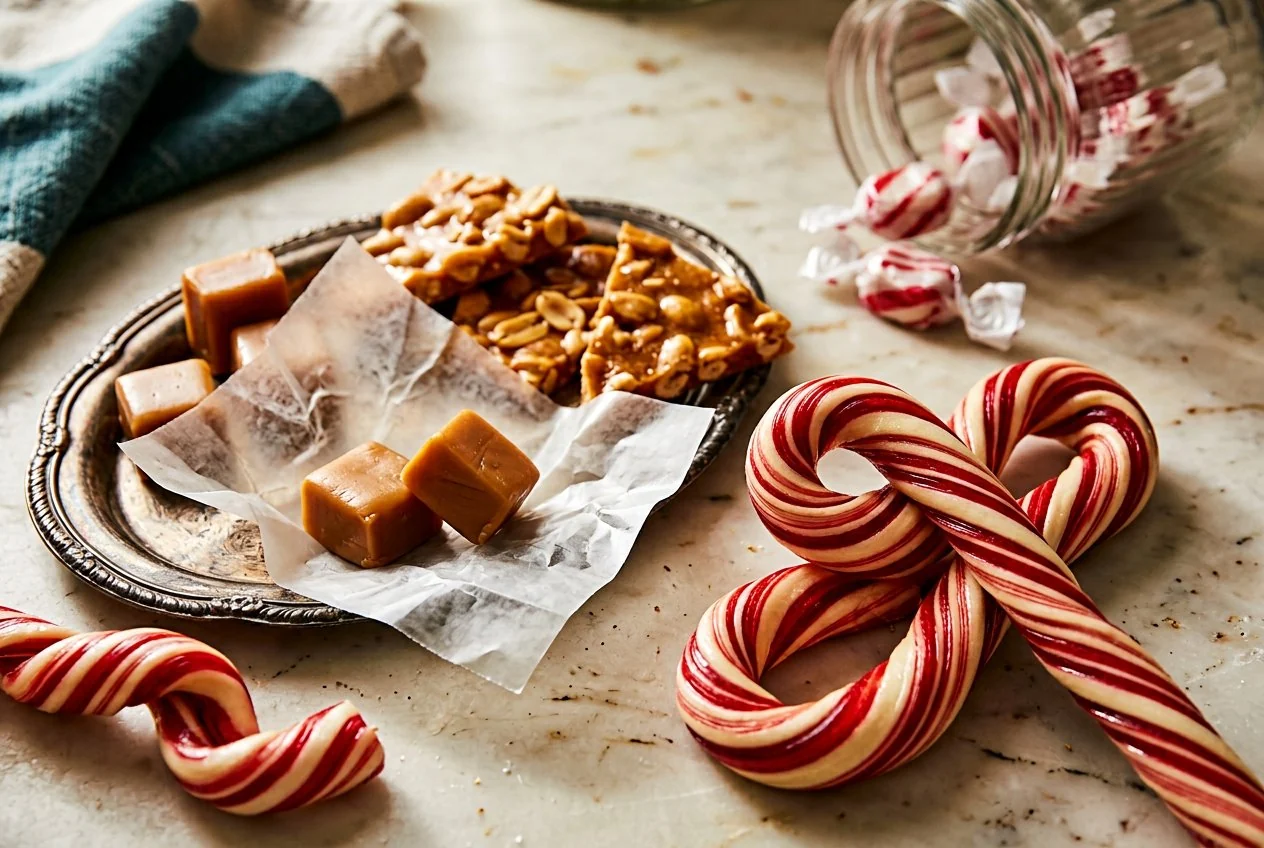
Peppermint ribbons, butter caramels, and peanut brittle on marble
Fig. 01 The candy-counter assortment

The candy index

06 studies

Six familiar sweets, cataloged by craft and character.

Texture
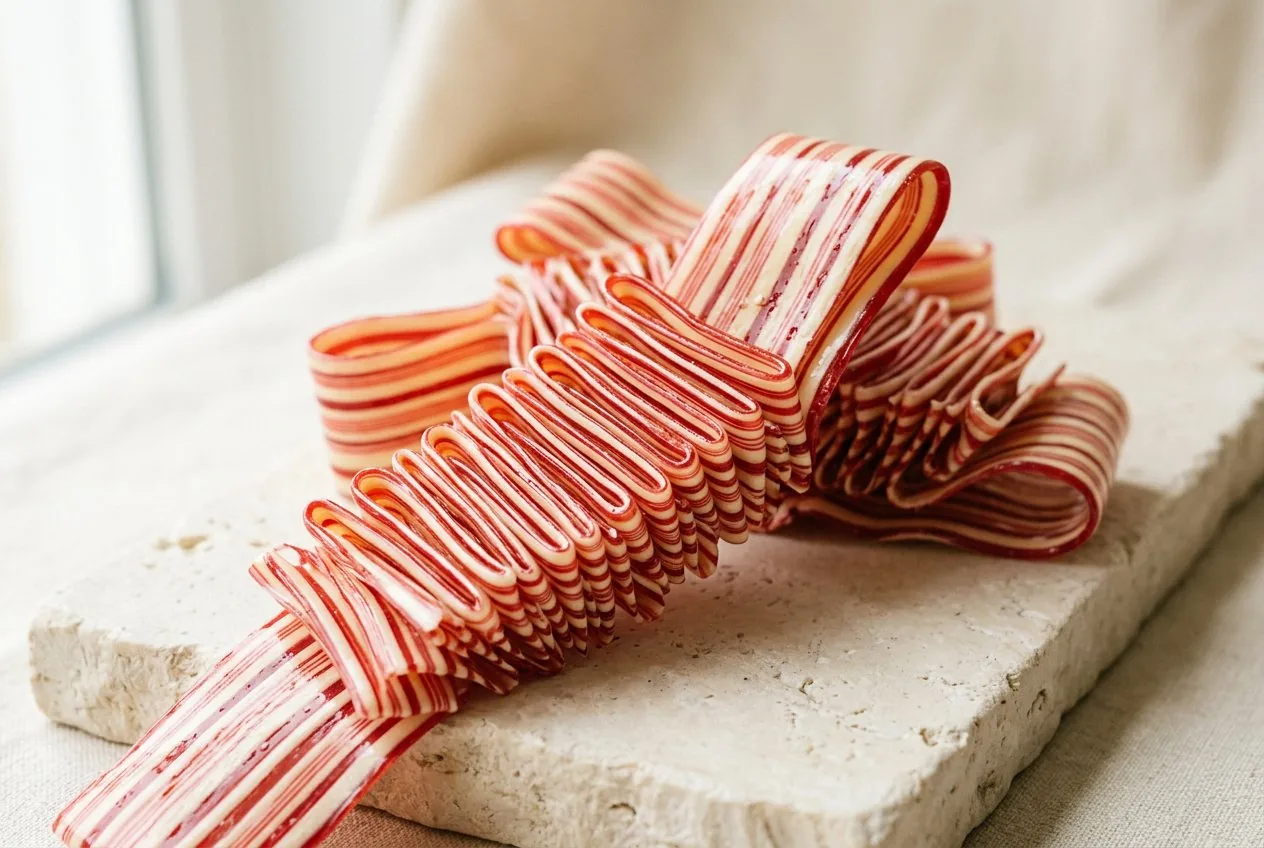
Crimson peppermint ribbon candy folded across a pale stone slab
Study 01

Pulled sugar Crisp

Peppermint ribbons

Crimson stripes, paper-thin folds, and a clean peppermint finish.

Examine Key Features
Study name
Hand-pulled peppermint ribbon candy
Forming method
Colored bands of pulled sugar are joined, drawn thin, and folded while still pliable.
Quality cue
Look for open folds and a satin sheen where the sugar was pulled.
Typical ingredients
Sugar, glucose syrup, peppermint oil, and color.
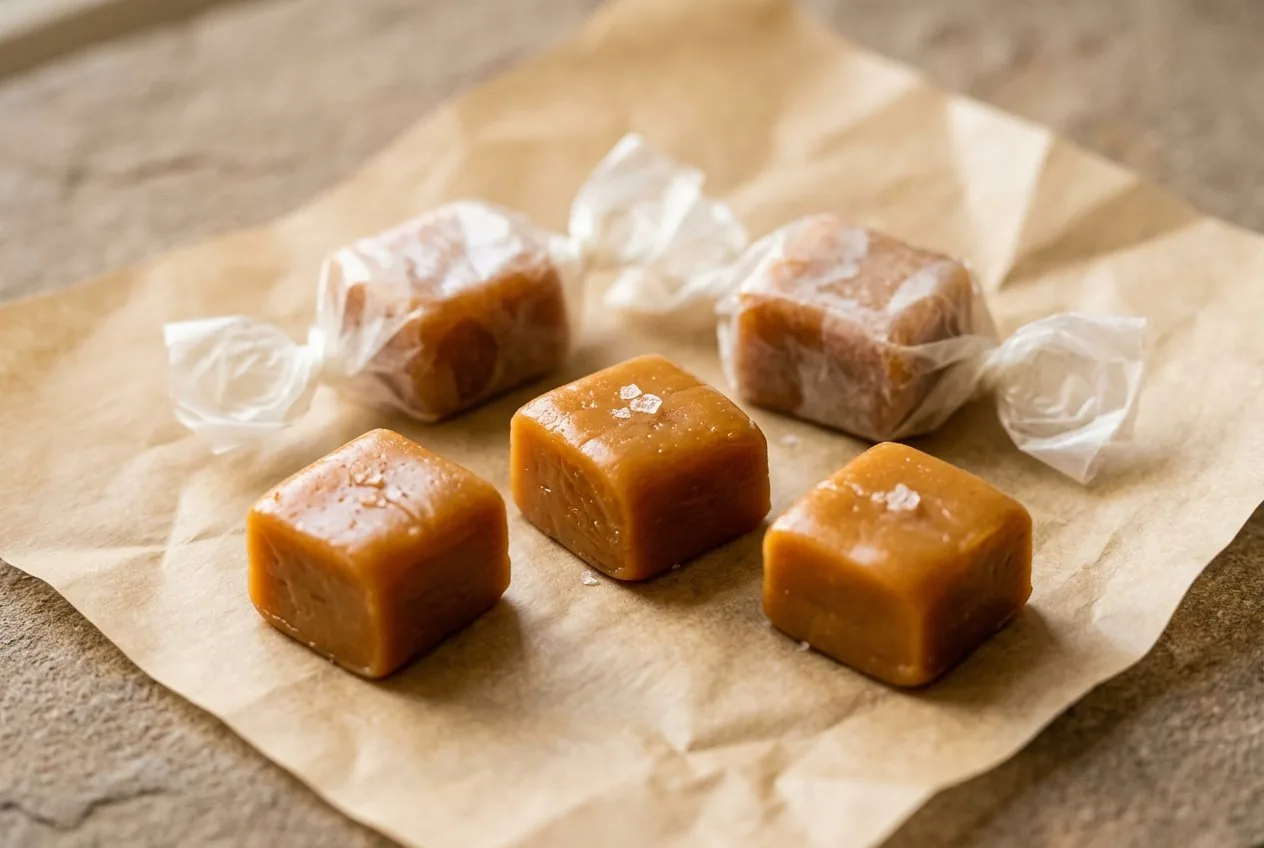
Hand-cut golden butter caramels with sea salt and wax-paper wrappers
Study 02

Kettle cooked Chewy

Sea salt caramels

A buttery, hand-cut square with a soft pull and a few flakes of sea salt.

Examine Key Features
Study name
Hand-cut sea salt butter caramels
Forming method
Cream, butter, and sugar cook together before the slab is cooled and hand-cut.
Quality cue
A smooth cut face and yielding edges distinguish a tender caramel.
Typical ingredients
Sugar, cream, butter, glucose syrup, and sea salt. Contains milk.
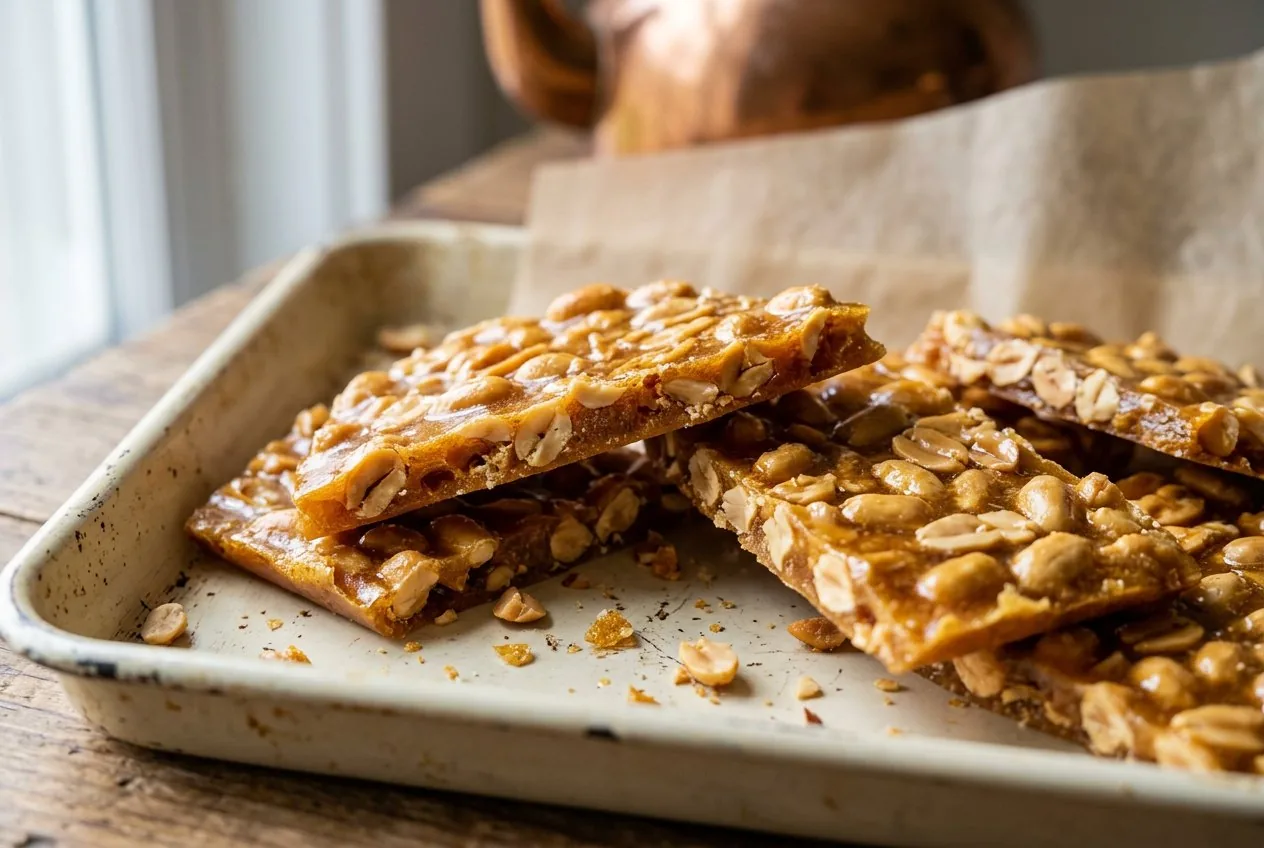
Amber peanut brittle shards with roasted peanuts on an enamel tray
Study 03

Kettle cooked Crisp

Peanut brittle

Roasted peanuts suspended in amber sugar, broken into irregular shards.

Examine Key Features
Study name
Copper-kettle peanut brittle
Forming method
A hot sugar-and-peanut mixture is spread in a thin sheet, cooled, and broken by hand.
Quality cue
Inspect a broken edge for toasted nuts and tiny pockets in the candy.
Typical ingredients
Sugar, peanuts, glucose syrup, and often butter and baking soda. Contains peanuts.
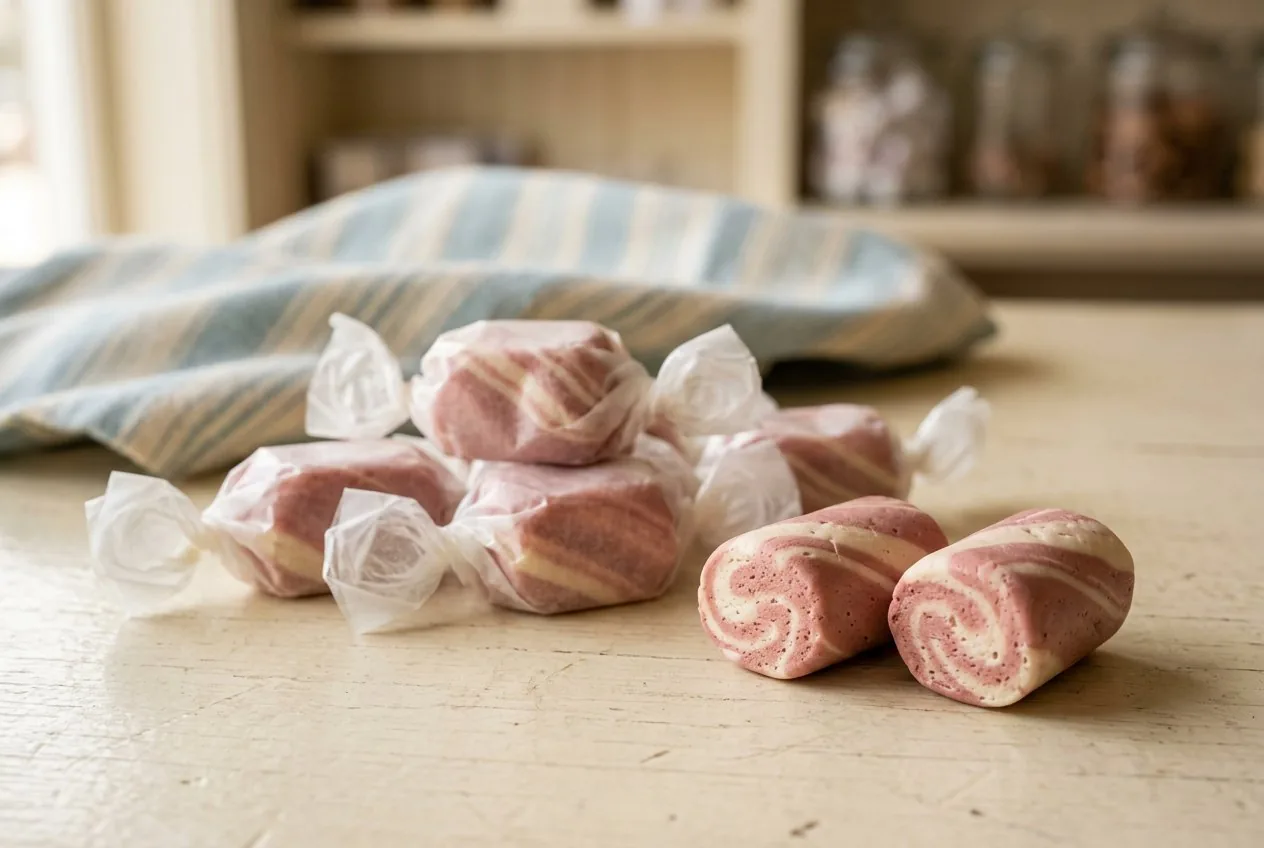
Strawberry and vanilla saltwater taffy in twisted wax-paper wrappers
Study 04

Pulled & wrapped Chewy

Boardwalk taffy

Soft pink swirls and a twist of wax paper recall a summer boardwalk.

Examine Key Features
Study name
Strawberry and vanilla saltwater taffy
Forming method
Repeated stretching and folding works air into a cooked sugar mixture before portioning.
Quality cue
A satin cut face and even spiral reveal the direction of the pull.
Typical ingredients
Sugar, glucose syrup, fat, salt, and flavoring; milk may be present.
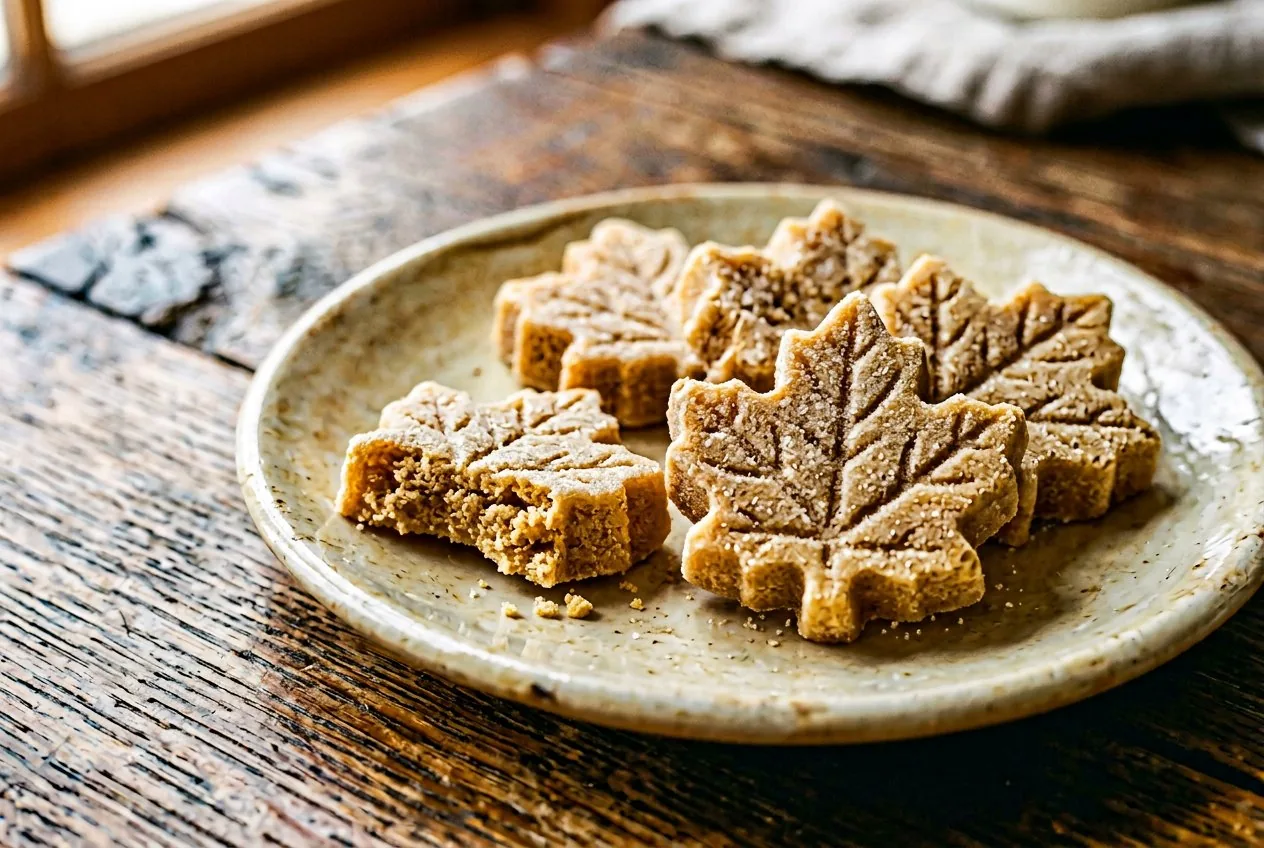
Molded maple sugar leaves showing fine grain on an earthenware plate
Study 05

Beaten & molded Meltaway

Maple sugar leaves

A fine-grained maple leaf with a tender crumble and a rounded maple finish.

Examine Key Features
Study name
Pure maple sugar candy leaves
Forming method
Concentrated maple syrup is stirred to encourage small crystals, then portioned into molds.
Quality cue
Fine veins on the surface give way to a closely grained, matte center.
Typical ingredients
Pure maple syrup for the traditional single-ingredient style.
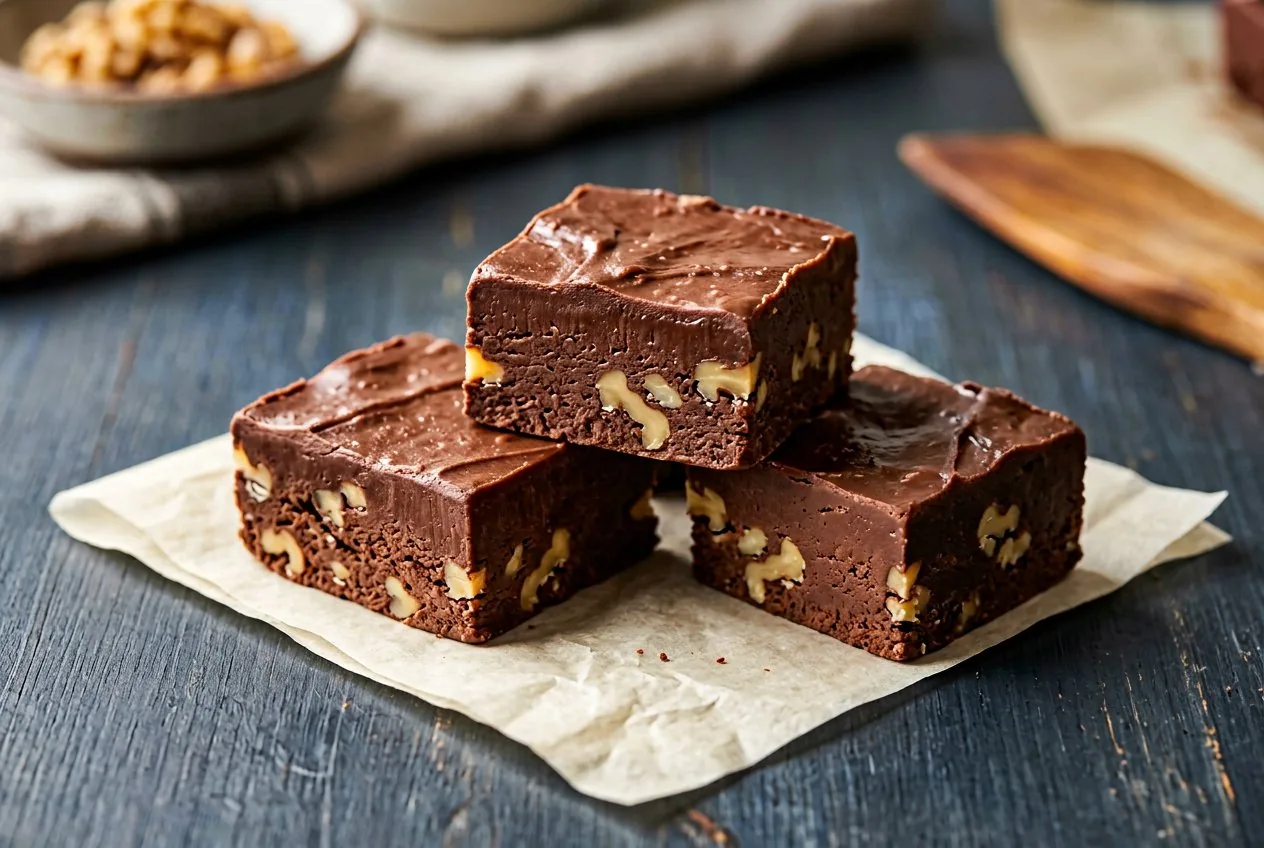
Hand-cut chocolate walnut fudge with visible nuts and matte faces
Study 06

Beaten & cut Meltaway

Chocolate walnut fudge

Dark cocoa, walnut pieces, and the close grain of a well-beaten slab.

Examine Key Features
Study name
Old-fashioned chocolate walnut fudge
Forming method
For kettle-cooked fudge, the chocolate mixture is cooled and beaten before walnuts are folded into the slab.
Quality cue
A matte cut face should show a fine grain rather than large sugar crystals.
Typical ingredients
Sugar, chocolate, milk or cream, butter, and walnuts. Contains milk and tree nuts.

Collection P&P–01 Confectionery field studies

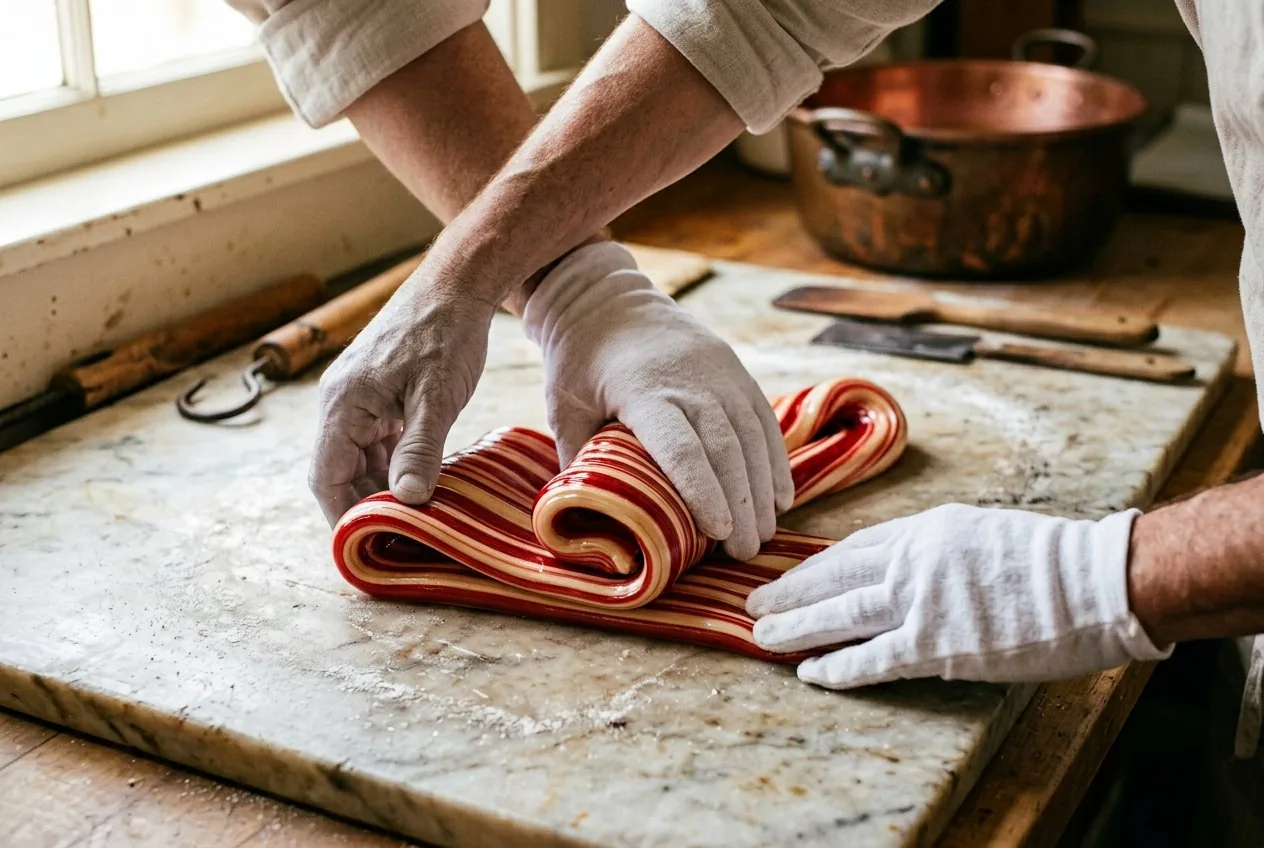
Gloved confectioners folding warm striped ribbon candy on a marble bench
Fig. 02 At the pulling bench

A ribbon and a shard.

Two ways to a clean snap. The difference begins at the workbench, long before the first bite.

Side-by-side specification comparison of peppermint ribbons and peanut brittle
Bench note Peppermint ribbon Peanut brittle
Method Pulled and folded Cooked and spread
Surface Satiny stripes Amber, nut-studded
Break Thin, delicate snap Uneven, crisp shard
Flavor Cool peppermint Roasted peanut
Read the quality & care guide

Your selection notebook

Start with the bite you remember. Choose a texture and flavor to make a pocket-sized tasting card.

01 Choose a texture

02 Choose a flavor

Your choices stay on this page unless you allow saving.

Penny & Pull P&P / 01

Your tasting card

Peppermint ribbons

Texture
Paper-thin snap
Flavor
Cool peppermint

At the candy counter

Set a few ribbons on a dry saucer just before serving. Lift each piece by a thick fold.

At the candy counter

A few notes for the curious connoisseur.

What gives ribbon candy its satin finish?

Pulling and folding the warm sugar introduces tiny air pockets. They scatter the light, giving hand-pulled sugar its pale, satiny bands. The colored stripes are joined before the ribbon is drawn thin and folded.

How do I keep different candies together in a gift tin?

Keep crisp and chewy pieces in separate sealed inner packages. A caramel can share moisture with brittle, and peppermint can perfume a delicate maple candy. Cushion ribbon folds and keep the maker’s ingredient labels with each sweet.

What should I look for in a small-batch candy?

Start with the style: a clean break for brittle, an even pull for taffy, and a fine grain for fudge. Slight variations in a hand-cut edge are natural. Ask the maker about the batch date, ingredients, and storage instructions.

How does the selection notebook work?

Choose a texture, then a flavor. Your tasting card pairs a candy study with a serving note that you can copy. Choices last on this page unless you allow this browser to remember them in Reading preferences.